Hurricane Season Water Damage Prep for Hollywood Homeowners
What to check on a Hollywood slab-on-grade home before a named storm reaches South Florida.
Pre-season prep for a Hollywood slab-on-grade home means securing the roof drains and flashing on flat roofs, sealing window and door penetrations against wind-driven rain, clearing gutters and yard drains, elevating stored items off the slab, and photographing the home's current condition. None of this replaces the storm surge and wind risk a named storm brings, but it reduces how much water actually gets inside and gives you a clean before-picture for any insurance claim that follows.
Why Slab Homes in Hollywood Take On Water First
A named storm gives Hollywood days of warning, not hours, and slab-on-grade construction means the real threats are water finding a way in and wind finding a way through the roof. Every home here sits close to grade, without a basement to retreat to, so preparation has to happen at the doors, the windows, and the roofline before the outer bands ever arrive.
Wind-driven rain during a hurricane does not fall straight down. It travels sideways at the walls and works into any gap around windows, doors, and roof penetrations, so a home that is dry in an ordinary storm can still take on water once gusts push rain horizontally against Hollywood Boulevard-facing and Intracoastal-facing elevations alike.
Flat and low-slope roofs are common across Hollywood's older concrete block homes, and they fail differently than pitched roofs: pooling water finds a weak seam rather than running off, so a roof that looks fine from the street can already be letting water into the deck below it before a leak ever shows indoors.
Sealing the Envelope Before a Storm Is Named
Storm surge and tidal push are separate from rainfall, and Hollywood already sees ordinary king tide flooding reach two to three feet in low-lying streets during the fall peak, according to local reporting on the Broadwalk area and nearby neighborhoods. A hurricane's surge rides on top of whatever tide is already running, so surge risk is highest when a storm's timing lines up with that seasonal high water.
Flat roofs fail at the drains first, not the field membrane, so clear every roof drain and scupper before wind arrives. Check that gutters on Hollywood Hills and Emerald Hills homes empty freely, since a blocked drain turns a flat roof into a shallow pool the moment wind-driven rain starts, and that weight finds the weakest seam.
- Photograph roof, walls, and window seals before any storm is named
- Clear all roof drains and scuppers on flat-roof sections
- Verify caulk and weatherstripping on every window before wind picks up
- Trim or secure loose landscaping that could strike windows or roofing
- Check flashing and parapet seams on flat-roof homes near the Intracoastal
- Review your policy's hurricane deductible before storm season starts
Flat Roofs, Drains, and the Days You Have Left
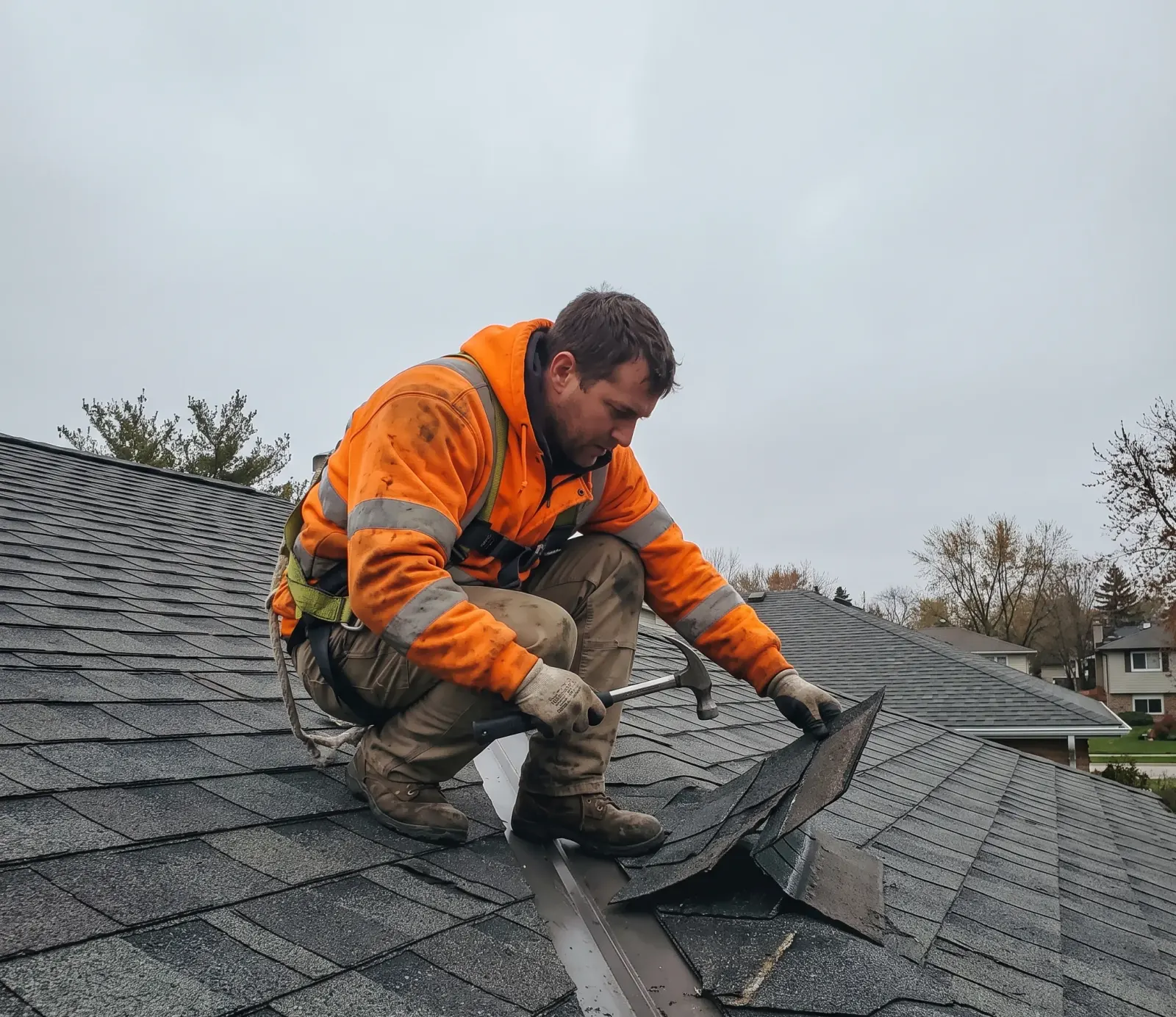
A pre-season walk of the roof, or a licensed pro's inspection of it, should check flashing at every penetration, the condition of parapet walls, and whether ponding water sits anywhere longer than a day after rain. On a flat roof, a small seam failure found in June is a repair; the same seam found during a storm in September is a house full of water.
Gutters, downspouts, and yard drainage matter more than most homeowners assume, because a slab-on-grade home has nowhere for water to go but sideways toward the walls. Clearing debris before hurricane season starts, and confirming that grading still slopes away from the foundation, reduces how much water ever reaches the base of the walls in the first place.
- Confirm exterior door thresholds still seal against wind-driven rain
- Check stucco walls near Hollywood Hills and Boulevard Heights for new cracks
- Move stored items off the slab in garages and ground-floor rooms
- Test that yard and driveway drains are clear near low-lying lots
Timeline: What to Do and When Before Landfall
Florida law requires insurers to offer a hurricane deductible, typically 2%, 5%, or 10% of the dwelling coverage limit, and it only applies to a named-storm event, not to routine wind or rain claims. Knowing which deductible applies before a storm hits, not after, is part of pre-season prep as much as boarding a window is.
A written record of the home's condition before the storm, photos of the roof, the doors, and anything already showing wear, gives a homeowner and their insurer a clear before-and-after if damage does happen. That record costs nothing to make in the days before a storm and can matter a great deal in the weeks after one.
| Timing | Exterior Task | Interior Task |
|---|---|---|
| 5+ days out | Clear roof drains and gutters, photograph the exterior | Photograph interior rooms and valuables for a record |
| 3-4 days out | Trim trees, secure loose yard items, test the flat roof for ponding | Back up documents and check attic for existing leaks |
| 1-2 days out | Install shutters or panels, move vehicles off low streets | Move furniture and electronics off the slab floor |
| Day of landfall | Stay off flooded roads near the Intracoastal Waterway | Keep phones charged, monitor local emergency guidance |
| After landfall | Check the roofline and yard drainage from a safe distance | Trim palms, secure loose patio items |
What Wind-Driven Rain Does That Storm Surge Does Not
Wind-driven rain finds gaps a normal storm never tests. Check every window and door for intact caulk and weatherstripping, and confirm the slab's exterior grade still slopes away from the concrete block walls. In Hollywood Hills and Boulevard Heights, older stucco homes often have hairline cracks that widen under sustained wind pressure and let water track behind the wall finish.
Flat roofs common on Hollywood Lakes and Driftwood homes fail at drains, flashing, and parapet seams before the field membrane gives out. Clear every roof drain and scupper now, not the day before landfall, and photograph the roof's current condition so any storm-caused change is easy to prove later to an insurer.
After the Wind Stops: The First Walk-Through
Storm surge and wind-driven rain push water toward the lowest point on the property, and on a slab-on-grade home that point is often the garage or a rear entry facing a canal in Emerald Hills. Move anything stored below knee height off the slab, and confirm exterior doors have a functioning threshold seal.
King tide flooding has already put standing water on Hollywood streets outside of any named storm, so a storm surge on top of an already-high tide compounds fast. If the home sits near the Intracoastal Waterway or a low section near West Lake Park, plan for water at the door sooner than the forecast suggests.
Hollywood Storm Prep at a Glance
- Dominant construction: slab-on-grade with concrete block and stucco walls
- Flat roofs common on many Hollywood Lakes and Driftwood homes
- King tides have flooded Hollywood streets outside of named storms
- Hurricane deductibles apply only during a declared named-storm event
- Roof drains and flashing are common flat-roof failure points
- Basements are not a feature of Hollywood home construction
Frequently Asked Questions
How early should I start hurricane prep in Hollywood?
Storm surge is pushed-up seawater from the storm itself; king tide flooding is an ordinary seasonal high tide that already reaches two to three feet in low-lying Hollywood streets in fall. A hurricane's surge on top of a king tide is worse than either alone, which is why timing relative to the tide cycle matters for homes near the Intracoastal or the beach.
Does my hurricane deductible apply to wind-driven rain damage?
Check flashing around every roof penetration, look for cracked or lifted parapet edges, and note any spot where water still sits a day after rain. Flat roofs on Hollywood's concrete block homes fail at seams and low points rather than all at once, so a small soft spot found before the season starts is far cheaper to fix than the same spot found during a storm.
What flat-roof problems cause the most storm leaks?
Yes. Florida requires insurers to offer a hurricane deductible, usually a percentage of the dwelling coverage rather than a flat amount, and it only applies once a storm is officially declared a hurricane event under the policy. It does not apply to an ordinary rainstorm, so a homeowner should know which deductible governs before a named storm is even in the forecast.
Can king tide flooding combine with storm surge here?
Basements are not part of Hollywood's residential construction, so there is no below-grade space to protect the way homeowners further north might think about one. The real exposure is at grade: door thresholds, garage seals, and any ground-level electrical, since the shallow water table makes slab-on-grade construction the standard here.
Should I photograph my home before or after a storm?
Take dated photos of the roof, doors, and any existing wear before the storm arrives, and keep them somewhere accessible that is not just on a device that could be damaged. That record, paired with knowing your hurricane deductible ahead of time, gives you and your insurer a clear baseline if the storm does cause damage.
Have Storm Damage Already? Call Before You Start Cleanup
If a storm has already caused water damage to a Hollywood home, the checklist stage is over. The licensed pros we connect you with respond to active water intrusion and can document the damage before repairs begin.
Call (954) 676-1222