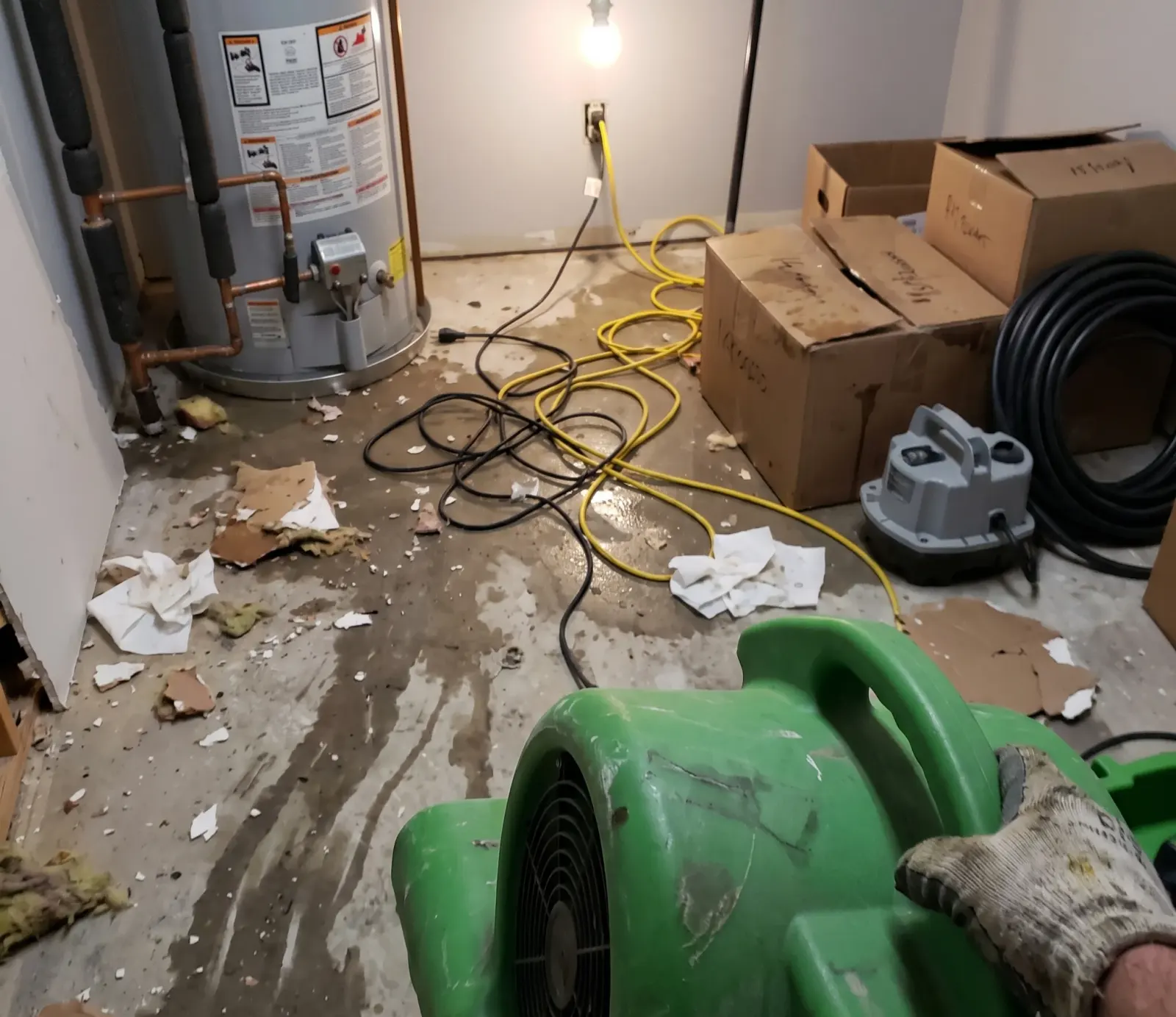
Category 1, 2, and 3 Water Damage: What's the Difference
What separates a clean-water claim from a contaminated one, and why the label changes the entire job.
Water category is a classification of how contaminated the water is, not how much damage it caused. Category 1 starts clean, like a supply line break. Category 2 carries contaminants from sources like washing machine overflow. Category 3 is unsanitary water such as sewage backup or storm intrusion. The category decides which materials can be dried versus removed, and it drives the cost of the job in a Hollywood home.
Why Water Category Matters More Than Water Source
Water damage is not a single problem with a single fix. The IICRC S500 standard splits every loss into three categories based on how contaminated the water is, and that classification, not the size of the affected area, drives what a cleanup crew can do, what they must remove, and roughly what the job costs. A Hollywood, FL homeowner staring at a wet floor needs to know which category they are looking at before anything else.
Time changes the classification too. A clean supply line break in a Hollywood Lakes kitchen stays Category 1 only in the first day or so. Once it sits and picks up soil from carpet pad or drywall, insurers and remediation techs treat it as Category 2, and the drying plan and the cost estimate both shift with it.
Category 2, sometimes called gray water, carries a meaningful contamination load: washing machine discharge, dishwasher overflow, or a toilet backup involving urine but no feces. It is not safe to treat like a clean spill. Category 3 is grossly contaminated water — sewage backups, flooding that has crossed a Hollywood street during a king tide event, or any water that has been standing long enough to support bacterial growth.
Category 1: Clean Water and How Fast That Changes
The category also decides what gets pulled versus dried in place. A clean line break might let a contractor save the baseboards and dry the subfloor with equipment. Water that has picked up detergent, grease, or waste travels through wall cavities and under cabinetry, so more of the structure has to come out rather than just be dried.
Category 2 pushes the decision toward removal of absorbent materials the water reached, since gray water contamination is difficult to fully clean out of carpet fiber or pad once it has soaked in. Category 3 requires removal of any porous material the water touched, full disinfection of hard surfaces, and PPE for anyone working the site — this is the category that overlaps with sewage backup cleanup, which is handled as its own service rather than folded into general water extraction.
- Supply line, tub, or sink overflow with no contact with soil or waste
- Water that has not sat long enough to pick up contaminants
- Typically dries in place without removing flooring or drywall
- Can reclassify to Category 2 the longer it sits untreated
- Lowest-cost category when addressed within the first day
- Still requires moisture readings, not just a visual check
Category 2: Gray Water and the Contamination It Carries
Category is not fixed at the moment water starts flowing. A Category 1 leak in a Hollywood Lakes home that sits unaddressed over a weekend can reclassify to Category 2 once it has been absorbing dirt and organic matter from carpet and subfloor for two days. Time, not just the source, is part of the classification, which is one reason inspection happens before any drying plan is written.
Cast iron drain lines under older Hollywood slabs corrode from the inside over the decades, and when one finally gives out, what reaches the floor is not clean water. That distinction is exactly why the same puddle size can mean two very different scopes of work depending on which pipe it came from.
- Sewage backups, toilet overflow with waste, or floodwater from outside
- Contains pathogens that require disposal, not just drying, of porous materials
- Carpet, pad, and drywall that contacted it are typically removed
- Requires the most documentation for an insurance adjuster to review
Category 1 vs Category 2 vs Category 3 at a Glance
Category also shapes what an insurance adjuster expects to see documented. A claim describing a Category 1 supply-line break near Emerald Hills reads differently than one describing a Category 3 backup, and the paperwork, drying equipment placement, and material-removal photos should match whichever category the inspection actually supports — not the category that is cheaper to claim.
None of this replaces a hands-on inspection. Standing water anywhere from Hollywood Hills to Driftwood should be evaluated before anyone decides whether flooring can stay or has to go, because category, not appearance, is what the S500 standard actually measures — and getting that call wrong at the start affects every step that follows.
| Factor | Category 1 | Category 2 |
|---|---|---|
| Typical source | Supply line, sink overflow, rainwater | Washing machine, dishwasher, aquarium overflow |
| Contamination level | None at the moment of release | Some chemical or biological matter present |
| How fast it can change category | Within hours if left standing on materials | Faster than Category 1, same time pressure applies |
| Materials usually salvageable | Most, if dried quickly | Fewer; porous materials often need removal |
| Who handles the cleanup | The licensed pros we connect you with | The licensed pros we connect you with |
Category 3: Why Black Water Is a Different Job Entirely
Category 1 water sounds harmless, and starting out it is. A supply line failure or overflowing tub in a Hollywood Lakes home is clean water. But Category 1 does not stay Category 1. Sitting on drywall, carpet pad, or under a Hollywood Hills baseboard for even a day or two, it picks up contaminants and reclassifies upward, which is why speed matters more than the label.
Category 3 is the water everyone recognizes as dangerous: sewage backups, storm surge intrusion, or floodwater that crossed a yard before entering a Driftwood or Liberia home. It carries pathogens and requires disposal of porous materials it touched, not just drying. If a loss involves a backed-up drain line or outside floodwater, treat it as Category 3 from the first phone call.
How a Hollywood Home's Own Materials Change the Timeline
The category also drives what an adjuster expects to see on the estimate. A Category 1 claim from a burst supply line near Young Circle typically involves drying equipment and moisture logs. A Category 3 claim from a sewage backup near Emerald Hills involves removal and disposal line items, which is a different, larger number, and insurers scrutinize the jump closely.
Getting the category wrong in either direction causes problems. Calling black water Category 1 to save money leaves contamination behind under new flooring. Calling clean water Category 3 out of caution inflates a bill an adjuster will push back on. The honest answer is whichever category the source and the clock actually support, documented as you go.
Category 1, 2 and 3 at a Glance
- Three categories: clean, contaminated, and grossly contaminated
- Category assigned by source, not by how much water
- Clean water can reclassify upward the longer it sits
- Category 3 requires disposal, not just drying, of porous materials
- Sewage backups near Liberia or Driftwood are always Category 3
- Category drives the cost gap an adjuster will question
Frequently Asked Questions
What's the difference between Category 1 and Category 3 water?
Category 1 is clean water from a source like a supply line or fixture, Category 2 carries contamination such as washing machine or dishwasher discharge, and Category 3 is grossly contaminated water, including sewage backups or storm flooding. The category is based on contamination level, not how much area got wet, and determines what materials can be saved.
Can clean water turn into contaminated water if I wait?
Yes. Category 1 water left standing for more than about 48 hours, or that picks up contaminants from carpet, soil, or drywall, degrades into Category 2 or higher. This is common with slow leaks that go unnoticed over a weekend in a Hollywood Lakes or Emerald Hills home before anyone realizes water is sitting under flooring.
Does my insurance company decide the water category or I do?
No. Category 1 water often allows porous materials like carpet pad to be dried in place. Category 2 usually requires removing absorbent materials the water soaked into. Category 3 requires removing any porous material it touched plus disinfecting hard surfaces. The category, decided at inspection, sets the scope before any drying plan is made.
Is floodwater from outside always considered Category 3?
A slow drain or backup from an aging cast iron line, common in homes built before the 1970s in older Hollywood neighborhoods, can carry contamination that a supply-line leak would not. That changes the water's category even if the visible puddle looks the same, which is why the source matters as much as the volume.
Why does the water category change my repair cost so much?
Sewage backups and other grossly contaminated losses fall under Category 3 and are handled by dedicated sewage cleanup service, not general water extraction. If a Hollywood home has a backup, the category itself signals that PPE, disinfection, and material removal are needed rather than a standard dry-out.
Not Sure Which Category Your Water Falls Into?
If you're not sure whether your water is clean supply line or something worse, don't guess. Describe what happened and where, and get connected with a licensed Hollywood pro who can classify it correctly and tell you what the cleanup actually involves before any work starts.
Call (954) 676-1222